The Ancient Art of Tai Chi: Balance, Health, and Harmony
Written by Zhenru Yan
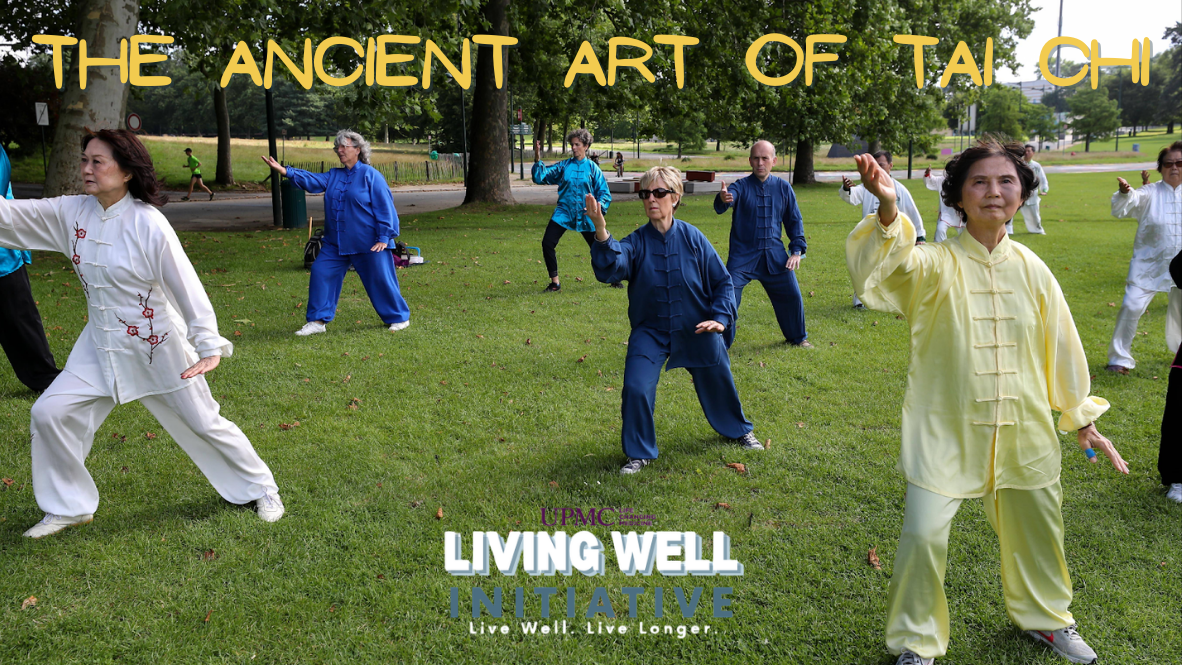
For centuries, people across China have gathered in parks and open spaces at sunrise to practice Tai Chi (Taijiquan)—a graceful martial art known for its slow, flowing movements and deep connection to health and balance. Today, Tai Chi is practiced worldwide as a gentle yet powerful way to improve both physical and mental well-being. Learn about the ancient art in preparation for Downtown Neighbors Alliance’s very own Tai Chi workshop this weekend.
Where Tai Chi Comes From
Tai Chi originated in 17th-century China, most commonly traced to Chen Village in Henan Province. While it began as a martial art, it evolved into a holistic practice that combines movement, breathing, philosophy, and traditional Chinese health principles.
Over time, Tai Chi spread throughout China and eventually around the world, becoming one of the most popular mind-body exercises practiced today.
The Philosophy Behind Tai Chi: Yin and Yang
One of the most important ideas behind Tai Chi comes from ancient Chinese philosophy, particularly the concept of yin and yang from the I Ching (Book of Changes). According to this philosophy, everything in nature exists in a balance of opposites.
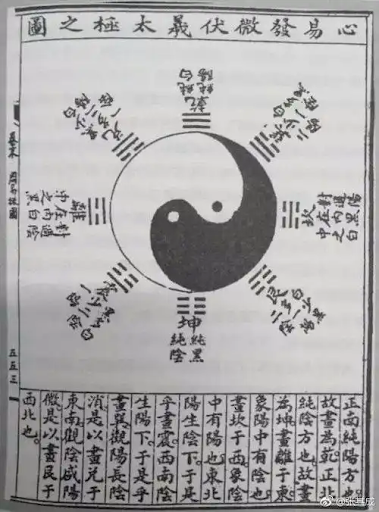
Qualities such as warmth, upward movement, brightness, activity, and energy belong to yang, while coolness, stillness, darkness, downward movement, and calmness belong to yin. Rather than opposing each other, these forces constantly interact and transform into one another.
Tai Chi movements reflect this principle. Each motion contains softness and strength, stillness and motion, working together in harmony. In every posture, yin contains yang and yang contains yin, creating a continuous flow of balance and coordination throughout the body.
Tai Chi and Traditional Chinese Medicine
Tai Chi is also closely connected to traditional Chinese medicine and ancient health practices such as Daoyin and breath regulation (Tu Na). These techniques focus on guiding the body through gentle stretching, breathing, and mindful movement to promote the smooth circulation of energy and blood.
Ancient Chinese physicians believed that the human body functions as a dynamic and interconnected system, where the heart, lungs, liver, spleen, and kidneys each play essential roles in maintaining vitality and balance. Proper breathing and relaxed movement help support the heart’s function of circulating blood throughout the body, ensuring that energy flows freely.
By combining martial arts movements with these medical principles, Tai Chi was designed not only for self-defense but also as a powerful form of health cultivation. When practiced correctly—with relaxed muscles, focused attention, and steady breathing—it helps improve circulation, support cardiovascular health, and promote overall physical harmony.
Why Tai Chi Is So Beneficial
Today, Tai Chi is widely recommended as a low-impact exercise suitable for people of all ages and fitness levels. Because the movements are slow and controlled, it is easy for beginners to learn while still providing meaningful physical and mental benefits.
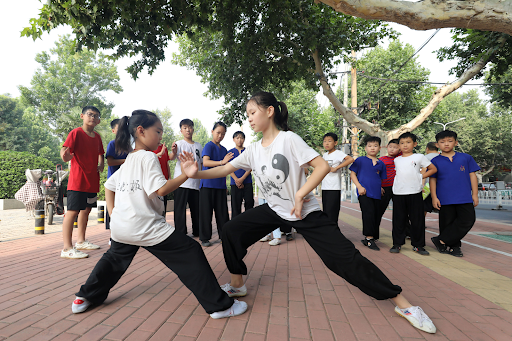
Regular practice may help:
Improve balance and coordination
Increase flexibility and mobility
Reduce stress and anxiety
Support heart health and circulation
Strengthen focus, mindfulness, and body awareness
Many practitioners find that Tai Chi creates a sense of calm and clarity, making it beneficial not only for the body but also for the mind and emotional well-being.
Experience Tai Chi with Us
Downtown Neighbors Alliance invites the community to experience this centuries-old practice at our upcoming Tai Chi workshop as part of the Living Well Initiative. Whether you are interested in Chinese culture, looking for a gentle way to exercise, or simply hoping to try something new, Tai Chi offers a welcoming path toward better health.
Come move, breathe, and discover the beauty of balance with us. You may find that a few slow movements can bring surprising strength, relaxation, and connection to your day. 🌿