Celebrating Black History Month with Stories of Pittsburgh’s Influential Black Leaders
Written by Cassie St. John
With Black History Month starting this February, it’s important to celebrate and reflect on the life stories of African American individuals who made an impact on our very own city of Pittsburgh.
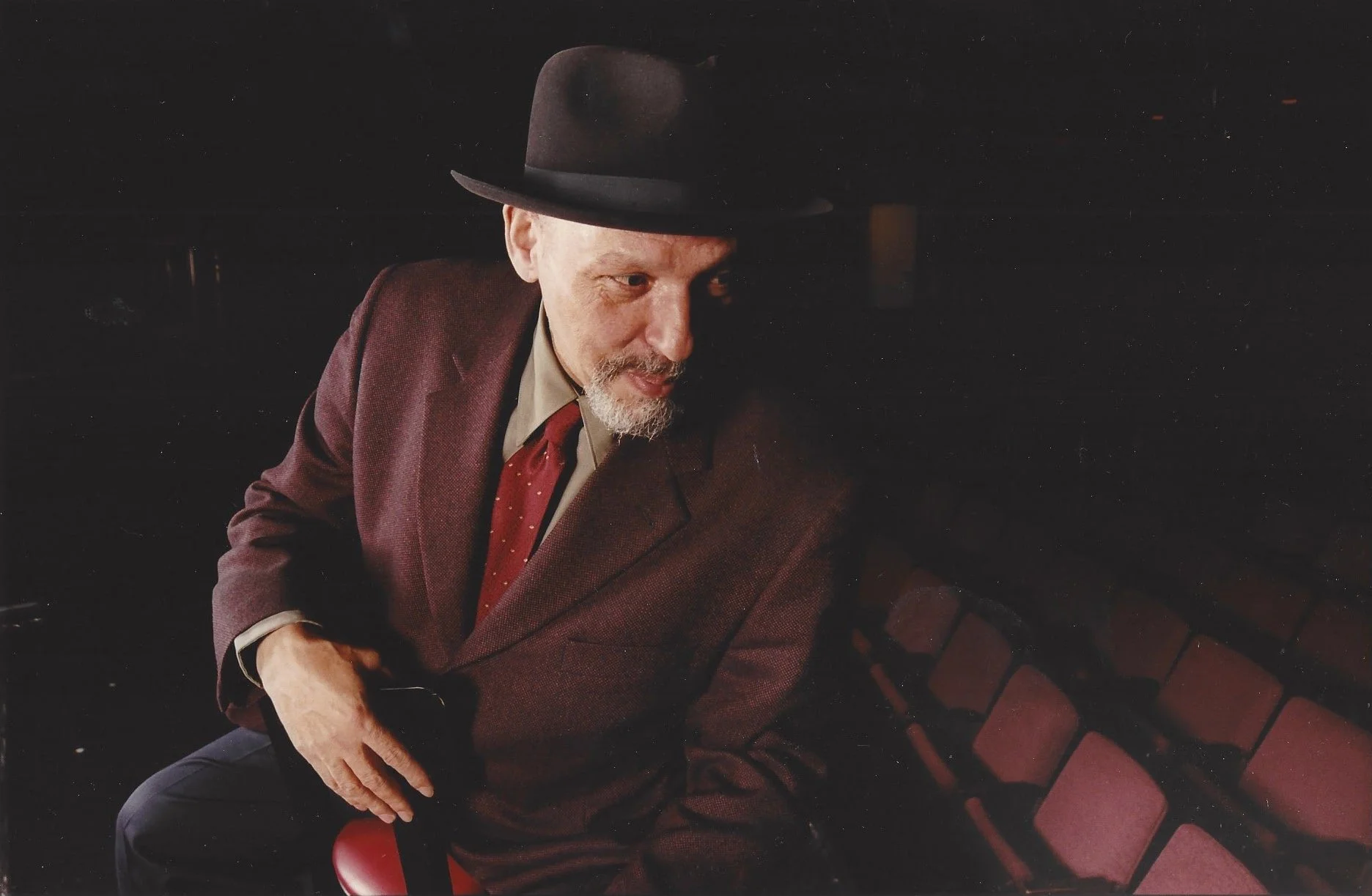
August Wilson was a playwright born in the Hill District. He is best known for his “American Century Cycle”, a cycle of ten plays that told the story of the African American experience in the 20th century, with each play representing a different decade. Wilson used childhood experiences and lifestyle in Pittsburgh, with nine of his plays taking place in the Hill District, paying homage to the culture that raised him. There are several locations dedicated to his life and achievements, including The August Wilson African American Culture Center, which showcases collections of history, art, music, literature, and theater, and the August Wilson House, which showcases the artist’s childhood home.
Image Courtesy of AWAACC
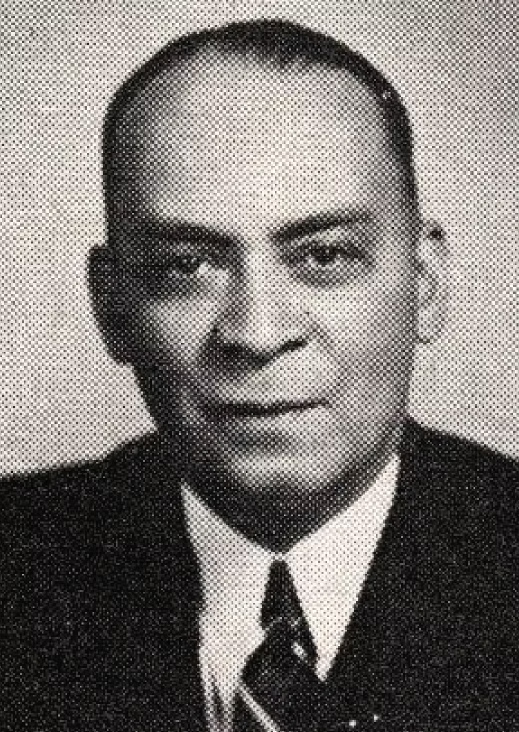
Homer S. Brown was the first African American judge in Pittsburgh. After graduating from the University of Pittsburgh’s Law School, Brown joined the Allegheny County Bar Association. It was there that he began his work in civic rights for the black community through accomplishments like Pennsylvania’s Fair Employment Practices Act (FEPA), which prohibited discrimination in employment. He was also the founder and first president of the Pittsburgh branch of the NAACP.
Image Courtesy of Allegheny County Bar Association
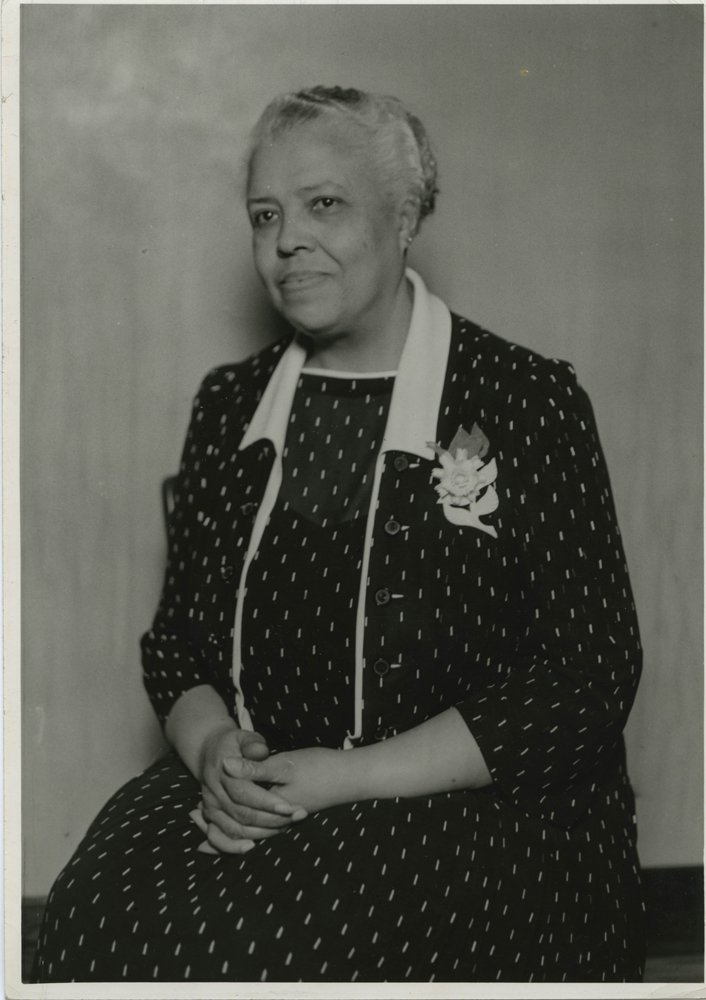
Daisy Lampkin was a civil rights activist fighting for the rights of black women. After moving to Pittsburgh at the age of 26, Lampkin soon became President of the Lucy Stone Woman Suffrage League, which advocated for black women's voting rights. She also served as vice chair for the Colored Voters Division of the Republican Party and the Negro Voters League of Pennsylvania. She was a member of Pittsburgh’s NAACP and led a membership campaign that gained 2,000 new members to their branch, members who would later become the foundation of the civil rights movement.
Image Courtesy of Heinz History Center
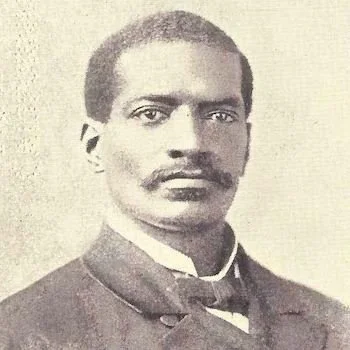
John Bathan Vashon was an abolitionist who assisted in the work of the Underground Railroad in Pittsburgh. Born a free man in 1792 to a former slave, Vashon worked hard to become a successful businessman, becoming an owner of Pittsburgh’s first bathhouse. At night, the business became a station for slaves on the Underground Railroad as Vashon helped protect and aid them on their journey to freedom. Vashon was also a co-founder of the Pittsburgh African Education Society and the organizer and host of the first meeting of the Pittsburgh Antislavery Society.
Image Courtesy of African American Registry